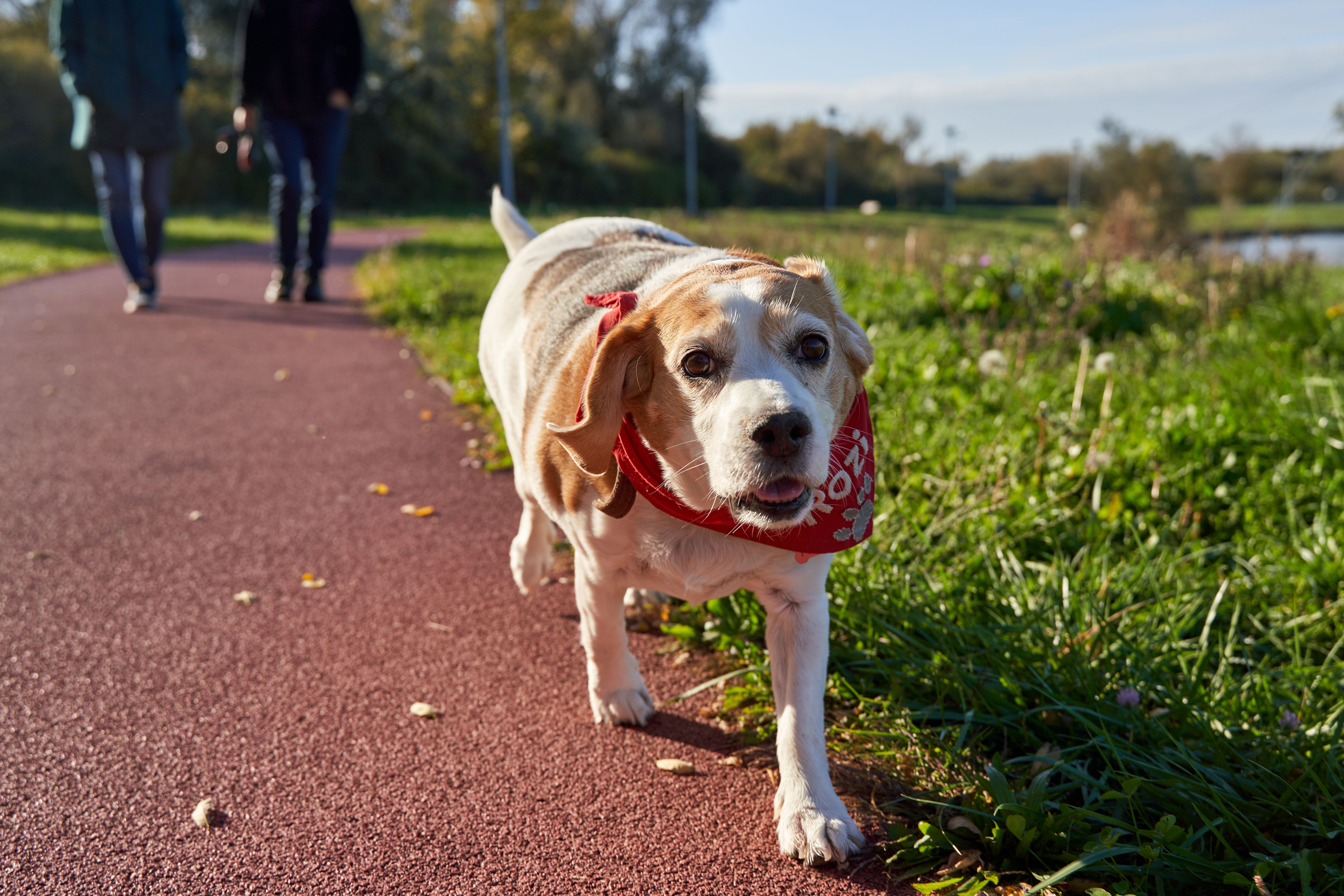
Your dog's nutritional needs change dramatically throughout their life. Puppies need calorie-dense, protein-rich food for growth. Adult dogs require balanced maintenance nutrition. Senior dogs benefit from lower-calorie formulas with joint support. Matching food to life stage prevents obesity, supports organ health, and can add years to your dog's life.
Dogs experience distinct metabolic shifts at each life stage. A growing puppy burns calories at nearly twice the rate of an adult dog. Their bodies demand specific nutrient ratios to build strong bones, develop healthy organs, and support rapid cell growth.
As dogs mature, their caloric needs decrease while their nutritional requirements shift toward maintenance. Senior dogs face new challenges including slower metabolism, decreased muscle mass, and developing health conditions that benefit from dietary management.
According to the Association of American Feed Control Officials (AAFCO), dog foods must meet different nutrient profiles for growth versus adult maintenance. Feeding the wrong life stage formula can lead to serious health consequences.
Puppies need food specifically formulated for growth. Look for labels stating "formulated for growth" or "for all life stages" with the AAFCO nutritional adequacy statement. These foods contain higher protein levels (typically 22-32%) and increased fat content to fuel rapid development.
Young puppies (8-12 weeks) should eat three to four times daily. From 3-6 months, reduce to three meals per day. After 6 months, most puppies transition well to twice-daily feeding. This schedule prevents hypoglycemia in young pups while establishing healthy eating patterns.
Puppies expected to exceed 70 pounds at maturity require large-breed puppy formulas. These diets contain controlled calcium and phosphorus levels to prevent skeletal abnormalities. The American Kennel Club recommends these specialized formulas to reduce the risk of developmental orthopedic diseases common in large and giant breeds.
Small breeds (under 20 pounds) typically transition to adult food around 9-12 months. Medium breeds switch between 12-14 months. Large and giant breeds should remain on puppy food until 12-24 months, as their bones continue developing longer than smaller dogs.
Transition gradually over 7-10 days. Start by mixing 25% new food with 75% current food for 2-3 days. Progress to 50/50 for another 2-3 days, then 75% new food. This gradual change prevents digestive upset including vomiting and diarrhea.
Adult dogs require balanced nutrition focused on maintenance rather than growth. Protein needs decrease slightly to around 18-25%, though active dogs benefit from higher protein levels. Fat content typically ranges from 10-15% to maintain energy without promoting weight gain.
Obesity affects approximately 56% of dogs in the United States, according to the Association for Pet Obesity Prevention. Proper portion control during adulthood is essential. Feed based on your dog's ideal body weight, not their current weight if they are overweight.
Food packaging provides general guidelines, but individual needs vary based on activity level, metabolism, and whether your dog is spayed or neutered. Monitor your dog's body condition rather than relying solely on the scale. You should be able to feel their ribs with light pressure but not see them prominently.
Small breeds enter their senior years around 10-12 years of age. Medium breeds become seniors at 8-10 years. Large breeds transition earlier, typically around 6-8 years, while giant breeds may be considered senior by age 5-6. These timelines matter because they signal when dietary adjustments become important.
Senior formulas typically contain fewer calories to accommodate decreased metabolism. Many include glucosamine and chondroitin for joint support, increased fiber for digestive health, and omega fatty acids for cognitive function and coat quality.
Some senior dogs develop decreased appetite or difficulty chewing. Wet food or moistened kibble can increase palatability and make eating easier for dogs with dental issues or reduced sense of smell.
Appetite fluctuations are normal throughout a dog's life. Puppies may eat voraciously during growth spurts then taper off. Adult dogs might eat less during hot weather or periods of decreased activity. These variations are usually nothing to worry about.
However, sudden appetite changes warrant attention. A dog who stops eating entirely for more than 24 hours, vomits repeatedly, or shows signs of lethargy alongside appetite loss needs veterinary evaluation. These symptoms can indicate underlying illness requiring prompt diagnosis and treatment.
When gastrointestinal symptoms persist or worsen, board-certified veterinary internal medicine specialists can perform advanced diagnostics to identify conditions affecting the cardiac, respiratory, gastrointestinal, urogenital, endocrine, and hematologic systems. Oklahoma Veterinary Specialists' team of internal medicine specialists work collaboratively with your primary care veterinarian to reach accurate diagnoses and develop effective treatment plans.
Certain dietary emergencies require immediate veterinary attention. Bloat (gastric dilatation-volvulus) is a life-threatening condition where the stomach fills with gas and potentially twists. Signs include a distended abdomen, unproductive retching, restlessness, and weakness.
Toxin ingestion is another dietary emergency. Chocolate, xylitol (artificial sweetener), grapes, raisins, onions, and garlic can all cause serious illness. If your dog consumes any toxic substance, time matters. Rapid intervention improves outcomes significantly.
Foreign body ingestion from gulping food too quickly, eating bones, or swallowing toys can cause intestinal obstruction. Signs include vomiting, inability to keep food down, abdominal pain, and lethargy. Surgical intervention may be necessary in severe cases.
Oklahoma Veterinary Specialists provides 24/7 emergency care, 365 days a year. Our emergency team is always ready to address urgent situations without an appointment. When dietary emergencies occur, having immediate access to specialized care can be the difference between recovery and serious complications.
Establish consistent feeding times rather than free-feeding. This approach helps you monitor appetite changes, prevents overeating, and creates a predictable routine your dog will appreciate. Most adult dogs thrive on twice-daily meals.
Measure food portions using a standard measuring cup rather than estimating. What looks like a cup often varies significantly. Even small daily excesses add up over time, contributing to weight gain that stresses joints and organs.
Limit treats to 10% or less of daily caloric intake. Many commercially available treats are calorie-dense. Consider using small pieces of your dog's regular kibble as training rewards, or opt for low-calorie options like carrots or green beans.
Store food properly in airtight containers away from heat and humidity. The FDA recommends keeping food in its original bag inside a container to preserve freshness and maintain traceability in case of recalls.
Understanding your dog's changing nutritional needs is one of the most impactful ways you can support their health from puppyhood through their golden years. When questions arise or health concerns develop, the team at Oklahoma Veterinary Specialists is here to help.
Our board-certified specialists and emergency team are available around the clock because we know health concerns don't follow a schedule. Whether you're navigating a dietary emergency or seeking specialized care for a complex condition, we're committed to providing compassionate, expert treatment for your beloved companion.
Oklahoma Veterinary Specialists delivers 24-hour emergency care and board-certified specialty services with advanced technology and compassionate treatment.