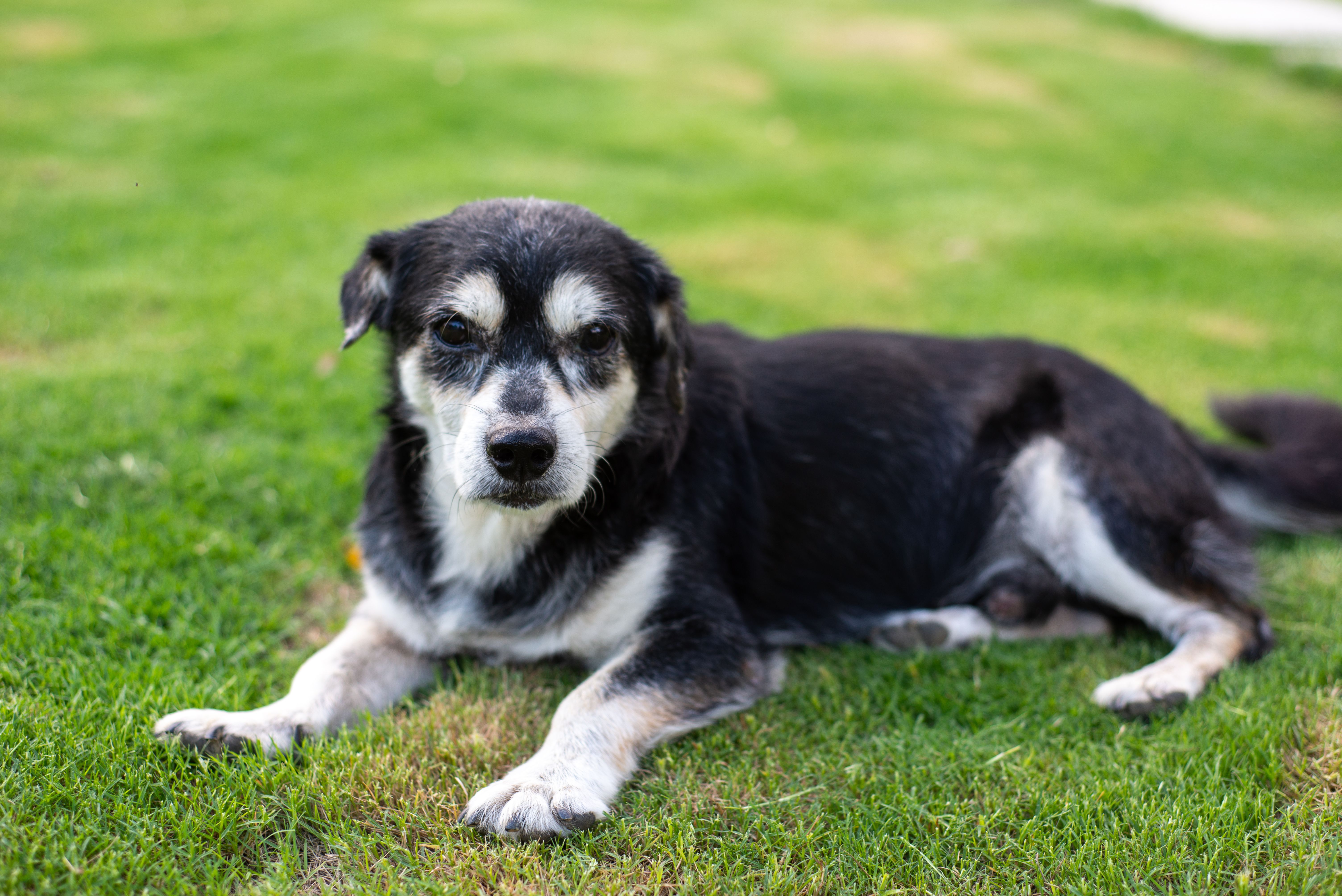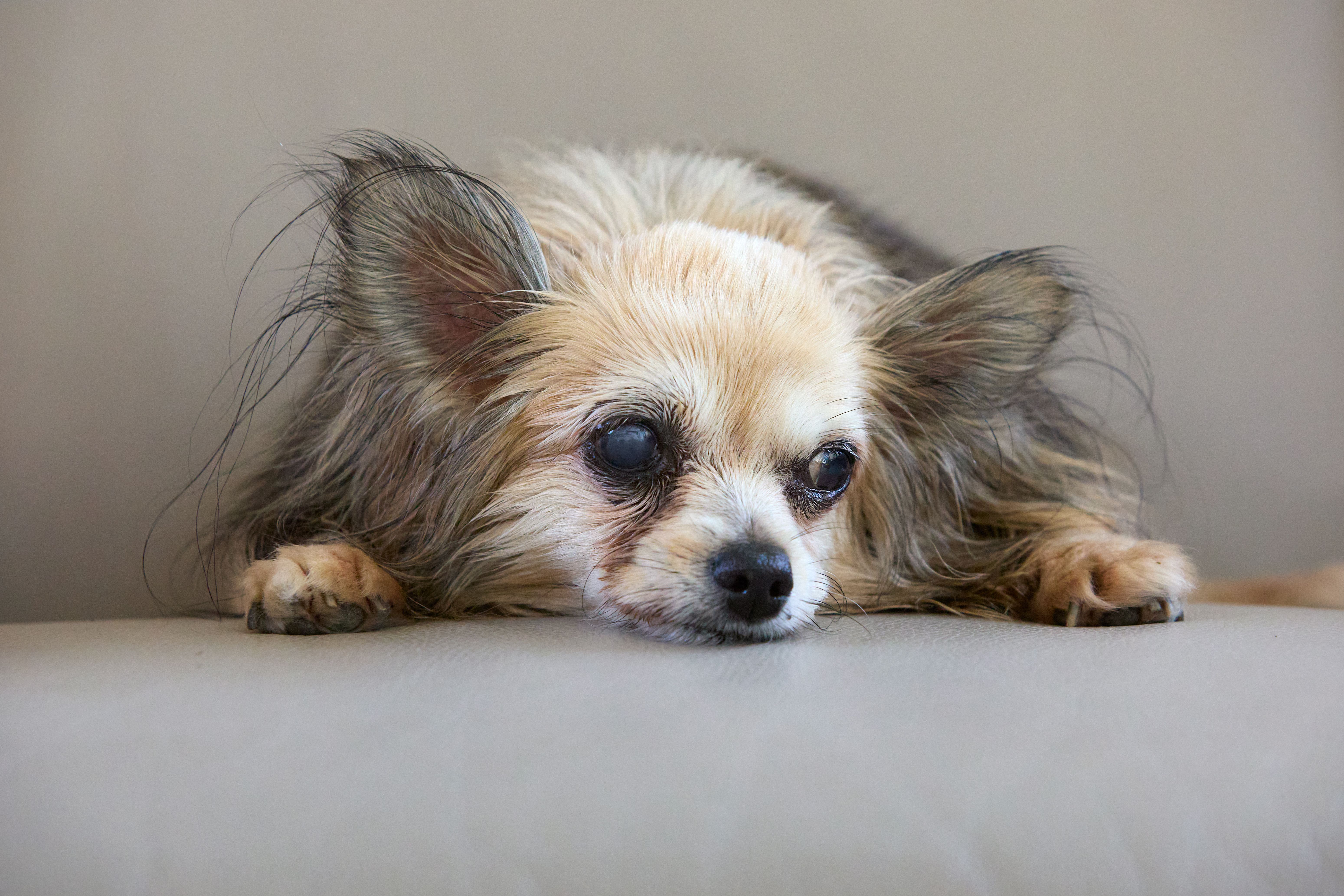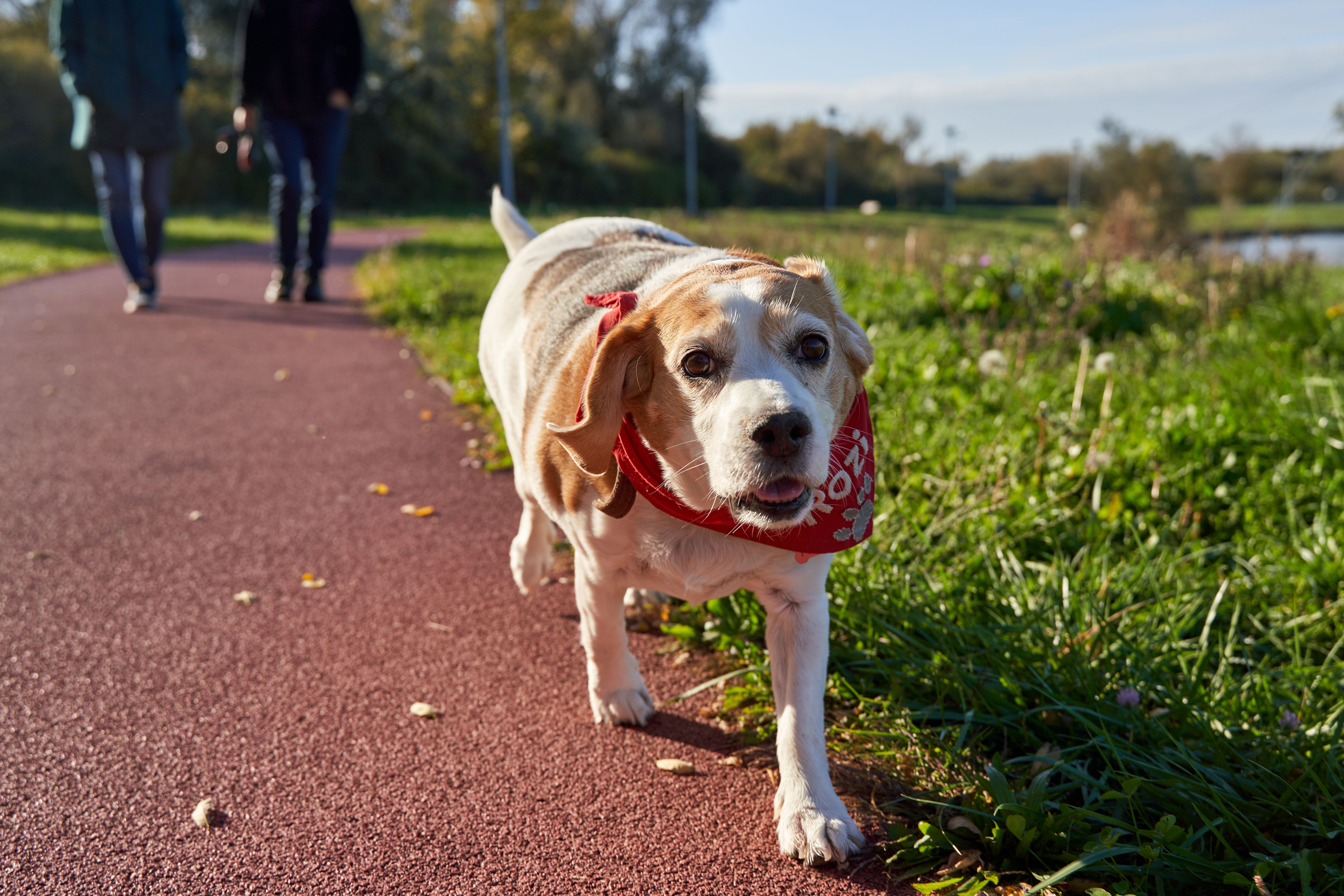
Some cloudiness in the eyes is a normal part of aging and does not usually affect vision. Other changes, like redness, cloudiness that worsens quickly, squinting, or bumping into furniture, can signal a more serious eye condition. Because several eye diseases can threaten vision if left untreated, new eye symptoms in a senior pet are worth having checked.
Yes, to a point. Many senior dogs and cats develop a subtle blue-gray haze in the lens of the eye called nuclear sclerosis. It is a normal aging change caused by the lens becoming denser over time, and it typically does not interfere with vision in any meaningful way.
The trouble is that nuclear sclerosis can look similar to a cataract at a glance, and cataracts do affect vision and can eventually cause blindness if left unaddressed. This is one of the reasons a professional eye exam is the only reliable way to tell the two apart.
Several eye conditions show up more frequently in senior pets.
A clouding of the lens that can range from a small spot to complete opacity. Cataracts can develop from aging, diabetes, or genetics, and advanced cataracts can lead to blindness.
An increase in pressure inside the eye that can be extremely painful and cause permanent vision loss within hours if untreated. It can develop on its own or secondary to another eye condition.
A reduction in tear production that leaves the eye dry, irritated, and prone to infection or corneal damage over time.
Changes to the retina, sometimes linked to high blood pressure or other systemic conditions, can cause sudden or gradual vision loss.
Aging eyes are more prone to corneal ulcers and other surface irritation, which can worsen quickly if not treated promptly.
Watch for changes such as:
You generally cannot tell with confidence just by looking. Nuclear sclerosis tends to give the eye a soft, even haze, while cataracts often appear more opaque or white. Both can look similar in early stages, and the only reliable way to distinguish them is a hands-on eye exam using specialized equipment to look directly at the lens.
A veterinary eye exam typically includes measuring the pressure inside each eye, checking tear production, examining the cornea and lens with magnification, and looking at the retina. These tests are quick, generally well tolerated, and provide much more information than a visual check alone.
Some eye conditions can threaten vision within hours, so timing matters more with eyes than with many other aging changes.
Your primary care veterinarian can screen for many early eye changes during a routine exam. When a pet needs a detailed evaluation for cataracts, glaucoma, retinal disease, or another condition that could threaten vision, our board-certified Ophthalmology specialist at Oklahoma Veterinary Specialists can work alongside your primary veterinarian to diagnose the issue and discuss treatment options, including surgery when appropriate.
We are also a 24/7/365 emergency hospital, so we are available if your pet develops sudden eye pain, a bulging eye, or vision loss. No appointment is needed for emergency concerns.
Have questions about a change in your senior pet's eyes? Call Oklahoma Veterinary Specialists at 918-299-4900 or visit okvets.com to learn more about our Ophthalmology team.
Oklahoma Veterinary Specialists delivers 24-hour emergency care and board-certified specialty services with advanced technology and compassionate treatment.