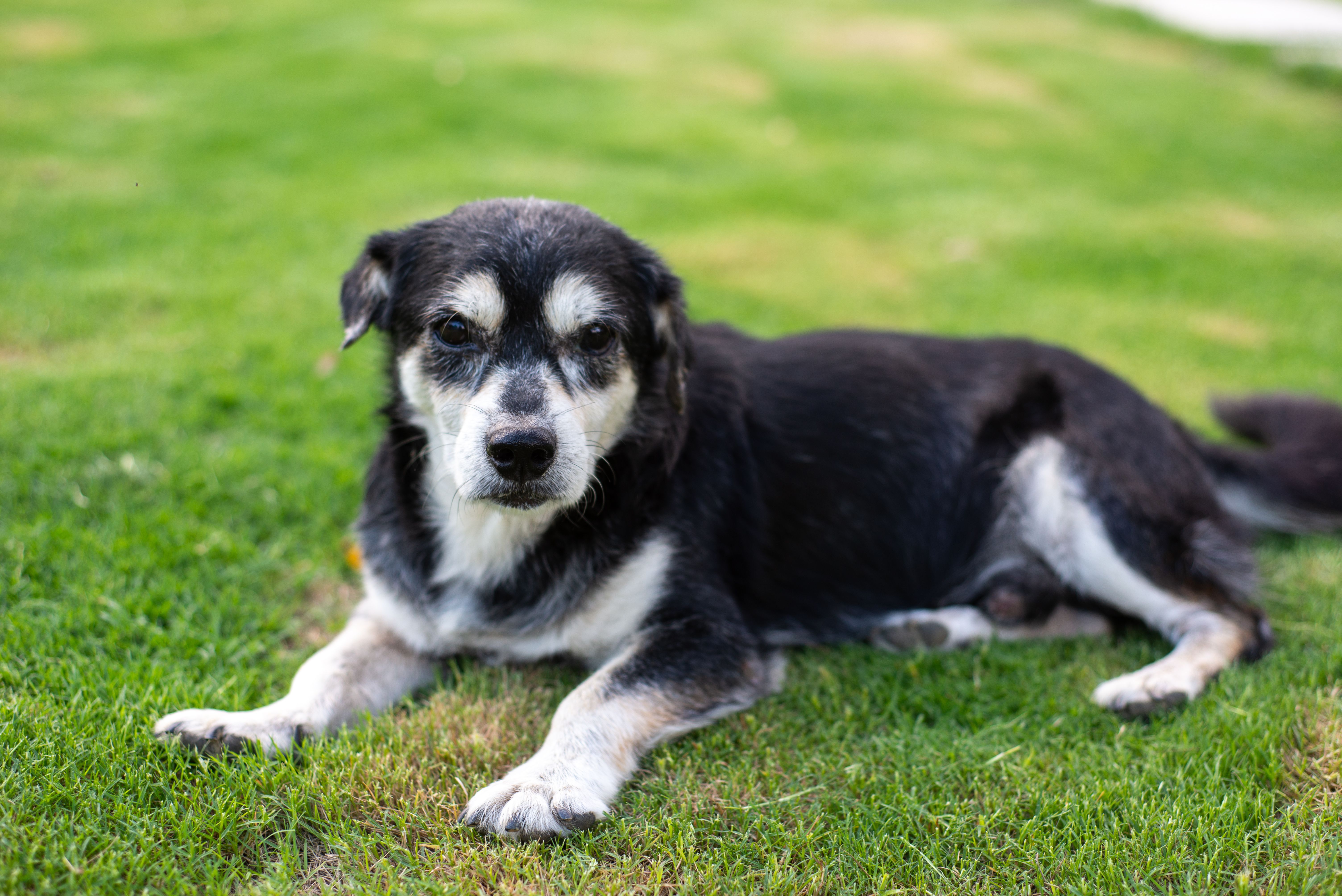
Screwworms are dangerous parasitic larvae that infest open wounds and can rapidly spread through tissue. If you notice a foul smell, discharge, or movement in your pet's wound, seek emergency care immediately. Oklahoma Veterinary Specialists provides 24/7 emergency treatment for screwworm infestations.
Screwworms are the parasitic larvae of a fly species scientifically known as Cochliomyia hominivorax. These larvae are carnivorous and feed on living tissue and bodily fluids, causing significant damage to open wounds and skin lesions in a short period of time.
Unlike other fly larvae that feed on dead tissue, screwworms actively consume healthy flesh surrounding the initial wound. This aggressive feeding behavior can lead to severe tissue destruction, systemic infection, and life-threatening complications if not treated promptly.
Screwworms are endemic to parts of Central and South America, the Caribbean, and occasionally appear in southern portions of the United States. Oklahoma residents should be aware that warm weather and certain environmental conditions can create temporary risk periods.
Adult screwworm flies locate wounds on animals through odor detection and other sensory cues. A single female fly can lay hundreds of eggs directly into an open wound, skin abrasion, surgical incision, or mucous membrane opening. Eggs hatch within 12 to 24 hours.
Any opening in the skin can serve as an entry point, including:
Once inside, larvae burrow into surrounding tissue and feed continuously for 5 to 10 days before reaching full maturity and dropping from the wound to pupate in soil.
Early detection is critical for minimizing tissue damage. Watch for these warning signs:
A strong, foul smell from the wound area is often the first noticeable sign. Even if the wound appeared minor initially, the odor may become distinctly worse and more pronounced over hours or a day.
You may see drainage from the wound that contains small, white or cream-colored larvae. Some pet owners report seeing movement within the wound itself.
The wound may expand or deepen quickly, spreading beyond what you would expect from the original injury. Surrounding tissue may become inflamed, discolored, or necrotic (dead).
Your pet may show signs of pain, anxiety, or infection including:
As the infestation progresses, your pet may develop fever, dehydration, or signs of sepsis (blood infection). These signs indicate the situation has become life-threatening.
Dogs are at highest risk for screwworm infestations, particularly those who spend time outdoors in warm months or engage in activities where injuries are more likely. Outdoor hunting dogs, working dogs, and pets allowed to roam without supervision are more vulnerable.
Cats are at lower but still significant risk, especially if they are outdoor cats or have access to outdoor areas during warmer months.
Risk factors include:
Promptly clean and monitor any cut, bite, or surgical wound on your pet. Keep wounds dry and protected from flies. If your veterinarian has prescribed wound care instructions, follow them carefully.
During warm months, particularly in areas where screwworms have been reported, limit your pet's unsupervised outdoor time. If screwworm activity has been documented in Oklahoma or nearby regions, take extra precautions.
Flea and tick control products recommended by your primary care veterinarian help prevent secondary skin infections and parasites that can create entry points for screwworm infestation.
After spaying, neutering, or other surgical procedures, protect incision sites from contamination. Follow your veterinarian's post-operative care instructions precisely.
Frequently inspect your pet's skin, especially between the toes, in ear canals, and around the tail base, where small wounds may go unnoticed.
Screwworm infestations are medical emergencies and require immediate professional care. Treatment may involve:
A veterinarian must manually remove all visible larvae from the wound. This requires careful technique to avoid rupturing larvae and spreading infection into surrounding tissue.
Dead or damaged tissue must be removed to prevent further infection. Advanced imaging and surgical expertise from board-certified specialists at Oklahoma Veterinary Specialists can help assess the full extent of tissue damage.
Topical or systemic medications are used to eliminate any remaining larvae and prevent reinfestation.
Secondary bacterial infections are common with screwworm infestations. Broad-spectrum antibiotics and pain management are essential components of treatment.
In cases where larvae have caused extensive tissue damage, surgical repair may be necessary. Our board-certified surgeons at Oklahoma Veterinary Specialists (DACVS) can evaluate whether surgical reconstruction is needed and provide specialized surgical care.
Do not wait for regular office hours if your pet has any of these signs:
Oklahoma Veterinary Specialists is open 24 hours a day, 7 days a week, 365 days a year for emergencies like screwworm infestations. Our emergency team can provide immediate assessment and begin treatment without delay. If your primary care veterinarian suspects a screwworm infestation after hours, they will recommend bringing your pet to our emergency hospital in Tulsa.
Yes, screwworms can occasionally infest human wounds, though this is rare in the United States. The same prevention practices apply: keep wounds clean, dry, and protected from flies.
This depends on the extent of tissue damage. Some infestations cause minimal scarring, while others that go untreated may result in significant permanent wounds. Early treatment minimizes tissue loss and reduces scarring risk.
Standard flea and tick products do not prevent screwworm infestation. Prevention focuses on wound care, minimizing outdoor exposure during high-risk periods, and monitoring for signs of infestation.
Do not attempt to remove it yourself, as this can rupture the larva and worsen infection. Seek emergency veterinary care immediately. If it is after hours, contact Oklahoma Veterinary Specialists at 918-299-4900 for emergency guidance.
Breed alone does not determine susceptibility. However, dogs with compromised immune systems, older animals, or those with limited ability to self-groom may be at higher risk.
Screwworm infestations are rare in Oklahoma but can occur during warm months. Knowing the signs and acting quickly can mean the difference between full recovery and permanent damage to your pet's health.
If your pet has a suspicious wound or shows signs of infestation, our emergency team at Oklahoma Veterinary Specialists is ready to provide immediate, expert care. We have the diagnostic equipment, surgical expertise, and 24/7 availability to handle even the most complex cases.
Oklahoma Veterinary Specialists delivers 24-hour emergency care and board-certified specialty services with advanced technology and compassionate treatment.